

CNC Turning Centers
E160A
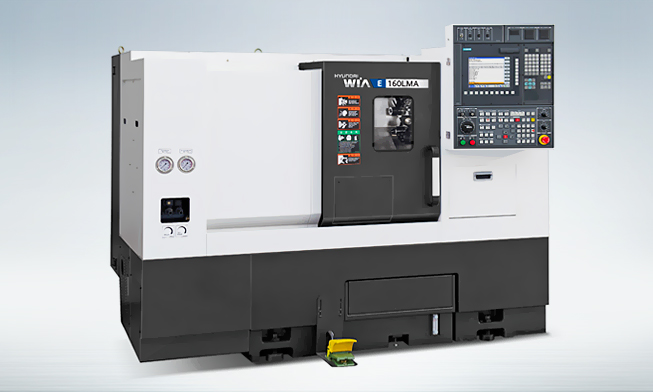
E160C
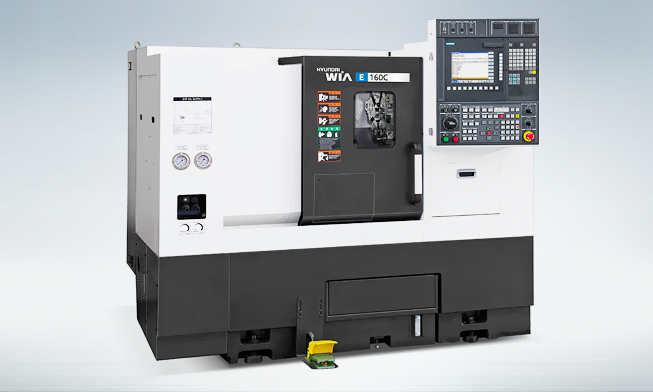
HD2200 Series
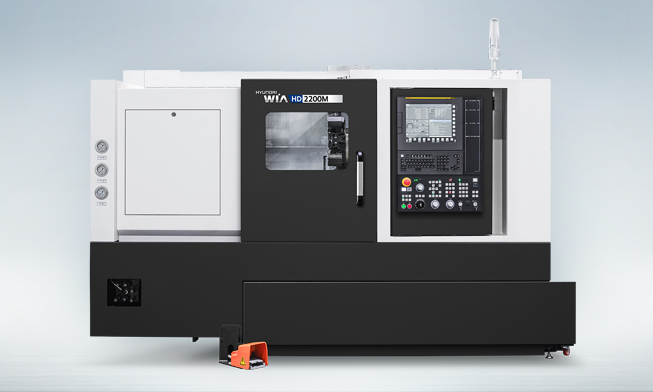
HD2200Y Series
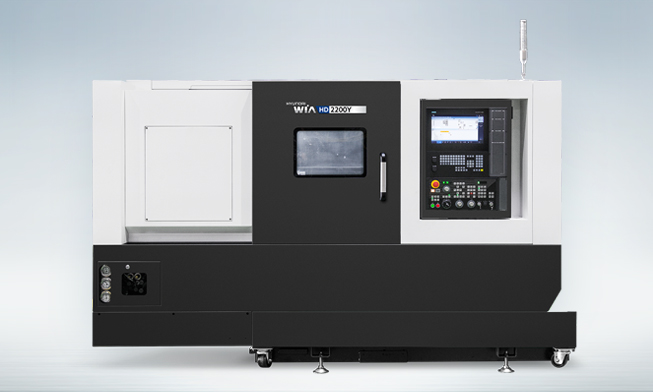
HD2600 Series
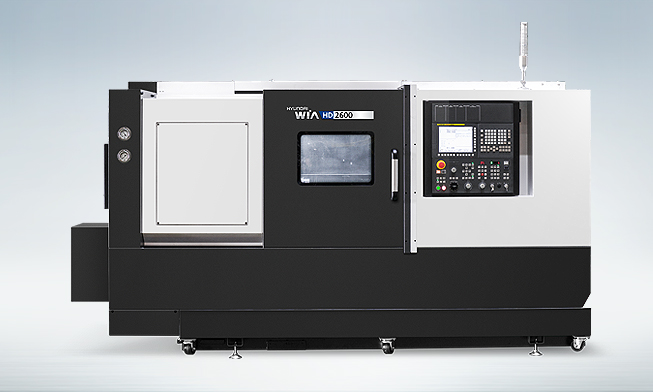
HD2600Y Series
HD3100A/MA
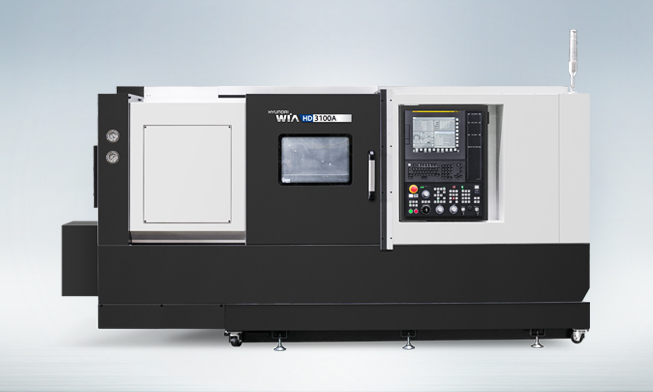
HD3100 Series
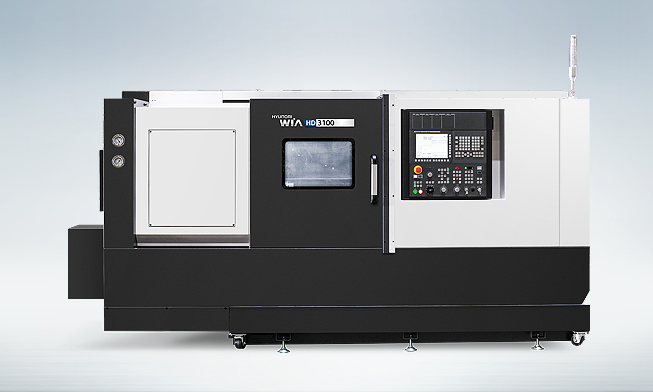
HD3100YA Series
HD3100Y Series
KIT Series
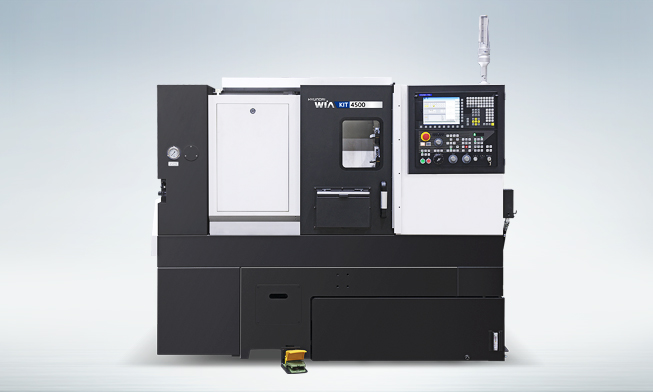
KL7000/8000LY
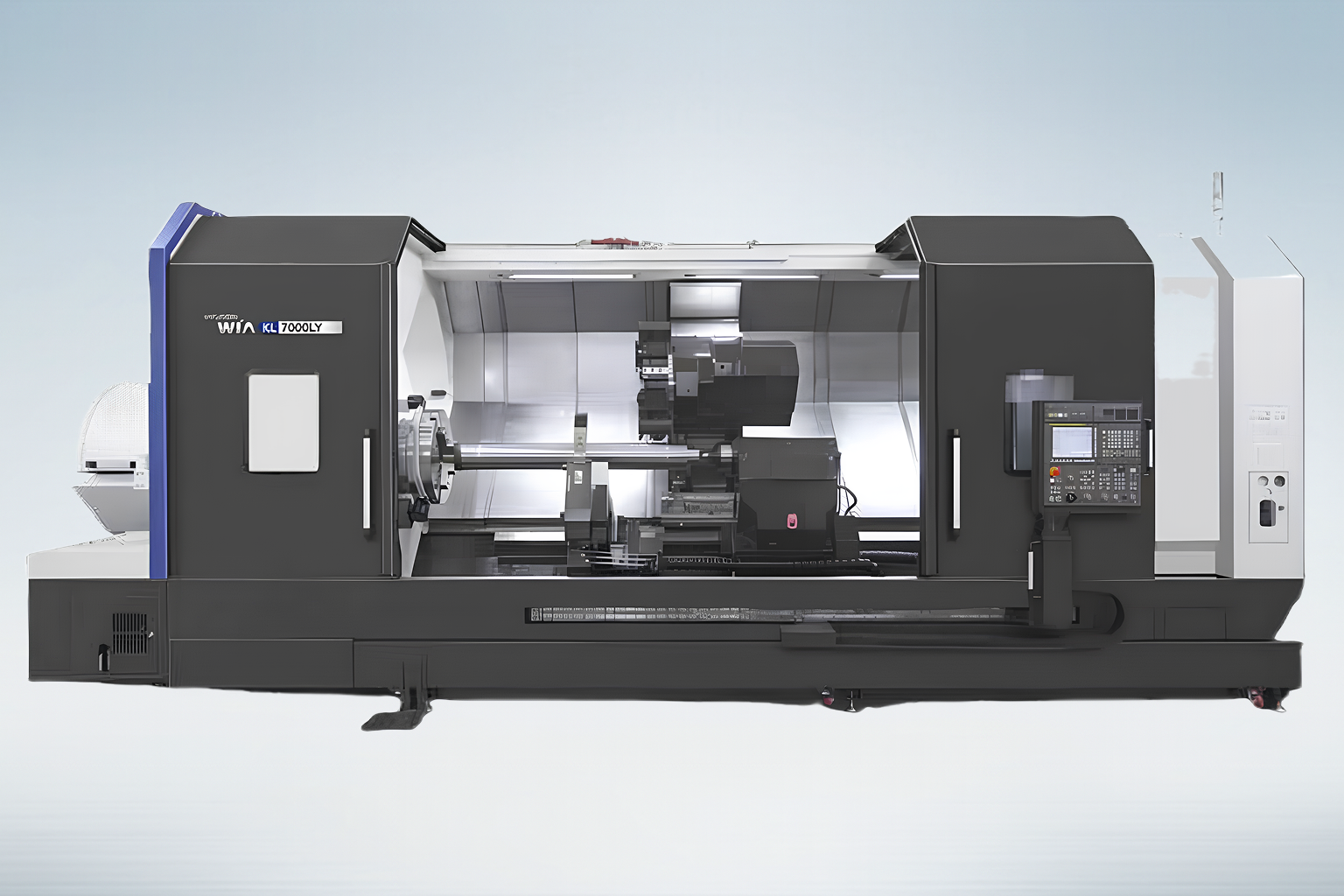
Modern CNC lathes form the foundation of most metalworking facilities. They are used to manufacture components for the machine-building, aerospace, energy, defense and other industrial sectors where high requirements are placed on machining accuracy, repeatability and productivity.
Unlike conventional lathes, computer numerical control equipment ensures consistent part quality, minimizes the influence of the human factor and makes it possible to perform complex machining operations automatically. For this reason, CNC lathes are an optimal solution for both one-off and serial production.
Main types and features of CNC lathes
Modern CNC turning equipment differs in design, functionality and application. The choice of machine depends on the complexity of the parts, required productivity and level of production automation.
The most common types of turning equipment include:
Standard CNC lathes
These machines are designed for machining shafts, bushings, flanges, discs and other rotational parts. As a rule, they have two controlled axes, X and Z, and perform the main turning operations:
- external and internal turning;
- boring;
- facing;
- drilling;
- thread cutting.
Turn-mill centers
Turn-mill centers are equipped with driven tooling and, as a rule, a C-axis, which makes it possible to perform not only turning but also drilling, milling, thread cutting and other operations in a single setup.
Depending on the model, the machine can additionally be equipped with a Y-axis, which significantly expands the possibilities for machining parts with complex geometries. The machine can also be optionally fitted with a sub-spindle that automatically receives the part after machining on the first side and enables machining of the second side without manual repositioning.
This configuration reduces auxiliary time, improves accuracy by allowing all operations to be completed in one setup and significantly increases productivity in serial production.
CNC pipe threading lathes
These are specialized turning machines designed for machining pipes, including drill pipes, casing pipes and tubing, as well as for manufacturing and restoring threaded connections.
A key design feature of these machines is the use of two chucks installed on the headstock, which ensures reliable clamping of long pipes and prevents sagging and vibration during machining.
Thanks to their enlarged spindle bore and highly rigid construction, CNC pipe threading lathes are widely used in the oil and gas, energy and pipe manufacturing industries.
Heavy-duty CNC lathes
These machines are designed for machining large and heavy workpieces. They are used in the energy, transport, shipbuilding and heavy engineering industries.
Vertical CNC turning centers
Vertical CNC turning centers are designed for machining large-diameter components whose size and weight make machining on horizontal lathes difficult or impossible.
The workpiece is mounted on a faceplate with a vertical axis of rotation, which provides high rigidity of the machining system and stable cutting conditions.
Depending on the configuration, vertical turning centers can be equipped with driven tooling and a C-axis, allowing them to perform not only turning but also milling and drilling operations.
This equipment is widely used for manufacturing housings, flanges, rings, discs, hubs, components for power-generation equipment and other large-sized parts.
Additional equipment and automation
Modern CNC lathes can additionally be equipped with:
- automatic bar feeders;
- finished-part catchers;
- chip conveyors;
- automatic tool and workpiece measurement systems;
- robotic loading and unloading systems;
- other production automation devices.
This configuration makes it possible to organize continuous machine operation with minimal operator involvement, increase productivity and maintain consistent machining quality during serial production.
Advantages of CNC lathes
Modern CNC turning machines can significantly improve production efficiency due to the following advantages:
- high machining accuracy;
- consistent dimensional repeatability;
- shorter production cycles;
- fewer workpiece setups;
- the ability to machine complex parts in a single setup;
- integration with modern CAD/CAM systems;
- extensive production automation capabilities.
The use of a CNC turning center makes it possible to combine several technological operations on one machine, reduce the number of workpiece setups, minimize the risk of errors and increase the overall productivity of the production area.
Criteria for selecting turning equipment
Before purchasing a CNC turning center, it is important to consider not only the main technical specifications of the machine but also the actual production requirements of the company.
When selecting equipment, it is recommended to consider:
- maximum machining diameter and length;
- spindle power and torque;
- number of controlled axes;
- availability of a C-axis, Y-axis, driven tooling and sub-spindle;
- rigidity of the machine bed and overall construction;
- tool change speed;
- type of CNC control system;
- production automation capabilities.
A standard two-axis CNC lathe is sufficient for most rotational parts. However, if milling, drilling holes at different angles or complete machining of a part in one setup is required, it is advisable to consider turning centers with driven tooling, a C-axis and, when necessary, a Y-axis and sub-spindle.
Experience shows that machine productivity is determined not only by spindle power. The rigidity of the entire structure, the quality of the guideways, the machine kinematics and the reliability of the spindle unit are equally important, since these parameters ensure stable machining under intensive cutting conditions.
Advantages of WIA Machine Tools solutions
WIA Machine Tools turning centers are designed for industrial operation and are successfully used by companies in the machine-building, automotive, aerospace, energy and defense industries.
WIA Machine Tools equipment is distinguished by:
- high structural rigidity;
- reliable machine kinematics;
- high machining accuracy;
- a wide model range;
- the option to equip machines with a Y-axis, sub-spindle, driven tooling and automation systems;
- high productivity during long-term continuous operation.
Thanks to the wide range of WIA Machine Tools models, it is possible to select equipment both for serial production of small components and for machining large workpieces.
Professional approach of TECHNICAL CLUSTER LLC
Our company is the official representative of WIA Machine Tools in Ukraine. Our team of technical experts helps industrial companies select, purchase and implement modern metalworking equipment according to their specific production requirements, providing a full range of services:
- equipment selection according to the company’s production needs;
- equipment supply;
- installation;
- commissioning;
- personnel training;
- service and maintenance.
Our team of specialists with professional technical education and many years of experience supports projects of various complexity. Thanks to strong technical expertise and prompt communication, customers can not only purchase reliable equipment from a leading South Korean manufacturer but also receive professional advice at every stage of cooperation.
Investing in modern CNC turning centers is a cost-effective investment in accuracy, productivity and the long-term development of the company. Properly selected equipment optimizes metalworking processes, improves product quality and reduces production costs.
If you are planning to purchase a CNC lathe, compare available solutions or select equipment for specific production tasks, contact our experts for professional advice. They will help you choose the optimal machine configuration and offer an effective solution based on the specific features of your production process, expected workload and machining accuracy requirements.